How to Read a Pet Food Label: A Vet's Complete Guide
Pet food labels are dense and confusing by design. Learn exactly what matters, what to ignore, and how to spot quality in under 60 seconds.
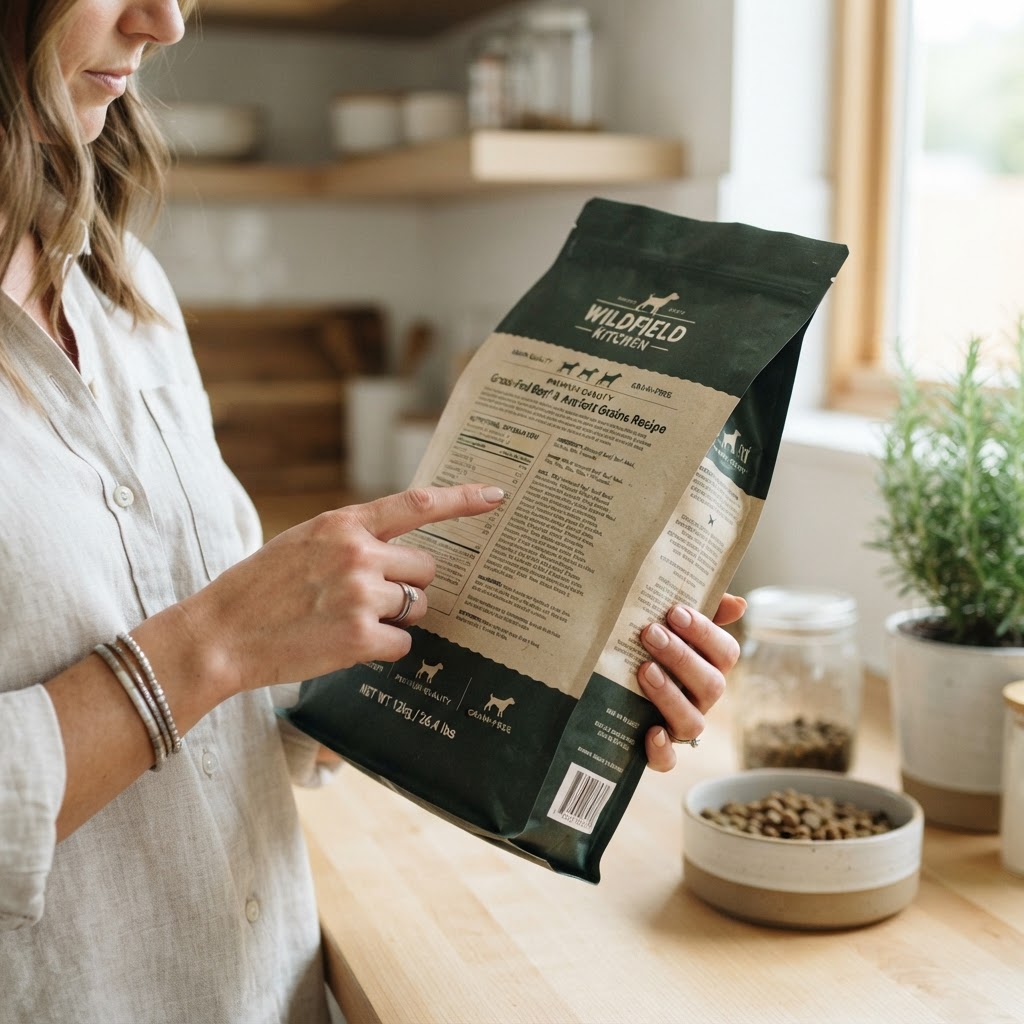
Pet food labels follow strict regulatory formats, but that does not mean they are easy to understand. Brands use marketing language, clever ingredient splitting, and legal loopholes to make average products look premium. This guide breaks down every part of a label so you can cut through the noise.
The Ingredient List: Read It First
Ingredients are listed by weight before processing, which means fresh meat that is 70 percent water appears at the top even though it shrinks dramatically after cooking. The first five ingredients tell you most of what you need to know about a product's quality.
Quick Rule of Thumb
If the first ingredient is a named animal protein (e.g., 'chicken' or 'salmon') and not 'meat by-product' or 'corn', you are already ahead of most supermarket brands.
Guaranteed Analysis: The Numbers That Matter
The guaranteed analysis shows minimum protein and fat, plus maximum fiber and moisture. These are ranges, not exact values, which means a product listed as 'minimum 25 percent protein' could actually contain 32 percent.
- Protein: Look for 25 percent or higher for dry dog food, 30 percent or higher for dry cat food.
- Fat: Healthy fats support coat and skin. 12 to 18 percent is typical for good dry foods.
- Fiber: Below 5 percent is ideal for most adult pets. Very high fiber often signals filler content.
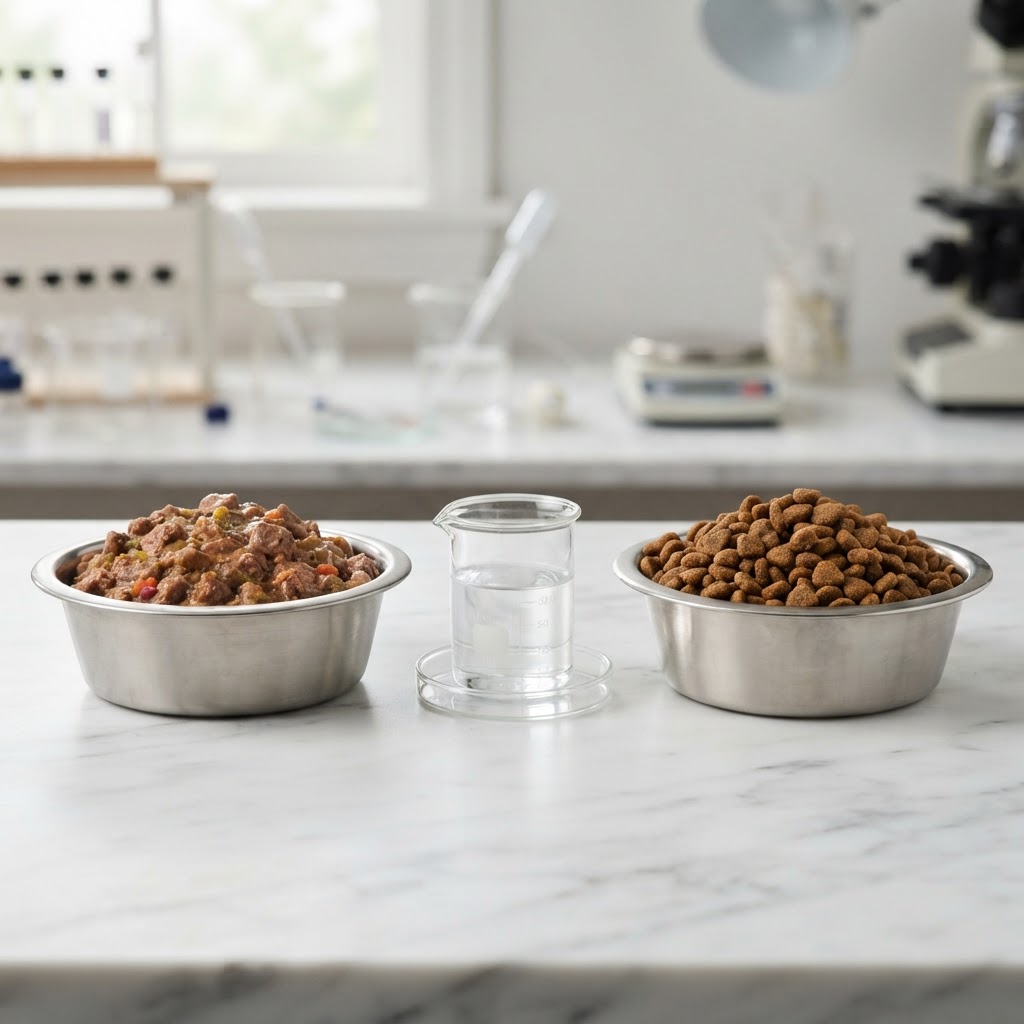
- Moisture: Dry food is typically 10 percent or less. Wet food is 70 to 85 percent.
| Nutrient (as fed) | Good Dry Dog | Good Dry Cat | Red Flag |
|---|---|---|---|
| Protein | 25% or higher | 30% or higher | Below 20% |
| Fat | 12-18% | 15-25% | Below 8% or above 25% |
| Fiber | Below 5% | Below 5% | Above 8% |
| Moisture | 10% or less | 10% or less | Above 12% in dry |
| Ash | Below 7% | Below 7% | Above 10% in dry |
Ingredient Splitting: The Hidden Trick
Brands sometimes split similar ingredients into separate listings so no single plant ingredient appears too high on the list. 'Corn', 'corn gluten meal', and 'corn bran' are all corn, but they appear as three separate entries, pushing the perceived meat content higher than it really is.
Watch For This
If you see multiple grain or pea varieties scattered through the first ten ingredients, the product may be more plant-based than the label implies. Combine them mentally to see the true picture.
The Nutritional Adequacy Statement
This small statement, usually near the feeding directions, tells you whether the food is 'complete and balanced' for a specific life stage, or merely a 'complimentary feed' or treat. This is one of the most important things on the entire label and it is often printed in tiny text.
Key Takeaways
- Read the first five ingredients first. Named meats are a positive sign.
- Watch for ingredient splitting that hides high plant content.
- Use the guaranteed analysis as a rough guide, not an exact number.
- Find the nutritional adequacy statement to confirm it is complete and balanced.
- Ignore marketing imagery and buzzwords. The label tells the real story.
Ready to Check a Product?
Paste any pet food URL or ingredient list into the BowlWise analyzer and get an instant, independent grade with a full ingredient audit.
Your Quick Checklist
0/5 doneFound this helpful? Share it with other pet owners.
Top-Rated Product Reviews
Put this into practice - see how popular pet foods score on our independent analysis.